
Every figure is signed for by a person before it is published.
Every dataset passes through named people: a dedicated analyst, an LCA specialist, and a CSO whose method is peer-reviewed. Any one of them can send it back.
Sample values, to show the shape of the record.
“Who checks the data, and what are they looking for?”
Named people, at five defined points, against a published method. The software runs the first check, on units, ranges and impossible yields. The last four gates are human, and the last one can say no.
Five gates, and the last one can be refused.
They run in order and they do not substitute for each other. A value that clears automated plausibility has proved only that it is not absurd, which is a much lower bar than being right.
- Gate 1 · Automated
Plausibility, units and duplicates
The platform objects before a person does: wrong units, values outside any credible range, the same invoice entered twice, a yield that would break physics. Cheap checks, run on everything, so human attention is spent on the things that need it.
- Gate 2 · Analyst
Evidence review
An analyst opens the document behind the value and checks that it says what the record says: the right facility, the right period, the right units, the right product. This is the gate that catches a real invoice attached to the wrong order.
- Gate 3 · On site
Supplier verification, in person or online
Where the input matters or the evidence is thin, we verify at the facility, on site across 35+ manufacturing countries, or online where that is proportionate. Checking the record against the floor is what ties a reported value to the work it describes.
- Gate 4 · Specialist
Technical interpretation
An LCA specialist checks the things that pass every plausibility test and are still wrong: system boundary, allocation between co-products, the factor chosen for a process, double counting between scopes. Sound inputs, wrong model, is the most common way a footprint fails.
- Gate 5 · Sign-off
Or a refusal, which is a real outcome
Nothing becomes a number you are allowed to publish until a specialist signs it. “Not yet” is available at this gate and it gets used. A figure we cannot defend in an audit is not one we will put your name on.
What happens to a value that does not pass.
The interesting half of any validation process is the exception path. Ours is designed so that failure is visible and recoverable rather than quietly absorbed.
- 01
The value is held, not deleted
It stays on the record, flagged and unusable, with the reason attached. Deleting a rejected value destroys the evidence that the check happened at all.
- 02
The gap it leaves is graded
A held input becomes a gap like any other (critical, important or optional), so it is prioritised against everything else outstanding rather than lost behind a cosmetic one.
- 03
We go back to the supplier
Our analyst, not you. The request names the specific document or reading that would resolve it, because “please confirm your data” is how a second round of bad data is created.
- 04
The result is re-issued, restated
When the evidence arrives, the model is re-run and the measured share moves. The previous version stays on the record; a silent correction is indistinguishable from a mistake.
- 05
The refusal stays on record
If it is never resolved, that is what the result says. An input we declined to accept is more useful to an auditor than one we accepted quietly.
The expert layer, named capability by capability.
Six of these are the Data Validation & Expert Assurance service exactly as it is sold. Each is tagged with which half of the work it is.
- Expert-led data validationPeopleA named analyst on your account, reviewing the dataset end to end
- On-site and online supplier verificationPeopleOur people at the facility, checking that what was reported is what happens
- Data gap analysisBothWhat is still missing, graded critical to optional, before a reviewer or an auditor finds it
- Evidence reviewPeopleThe document behind each value opened and checked against the record it produced
- Technical interpretationPeopleBoundary, allocation and factor choice reviewed by an LCA specialist before sign-off
- Compliance-ready documentationBothThe pack an assurance provider asks for, assembled as the work happens rather than afterwards
A method published in the peer-reviewed literature.
The last signature on a dataset belongs to somebody whose method is in the literature. That is the difference between an opinion about your footprint and a defensible position on it.
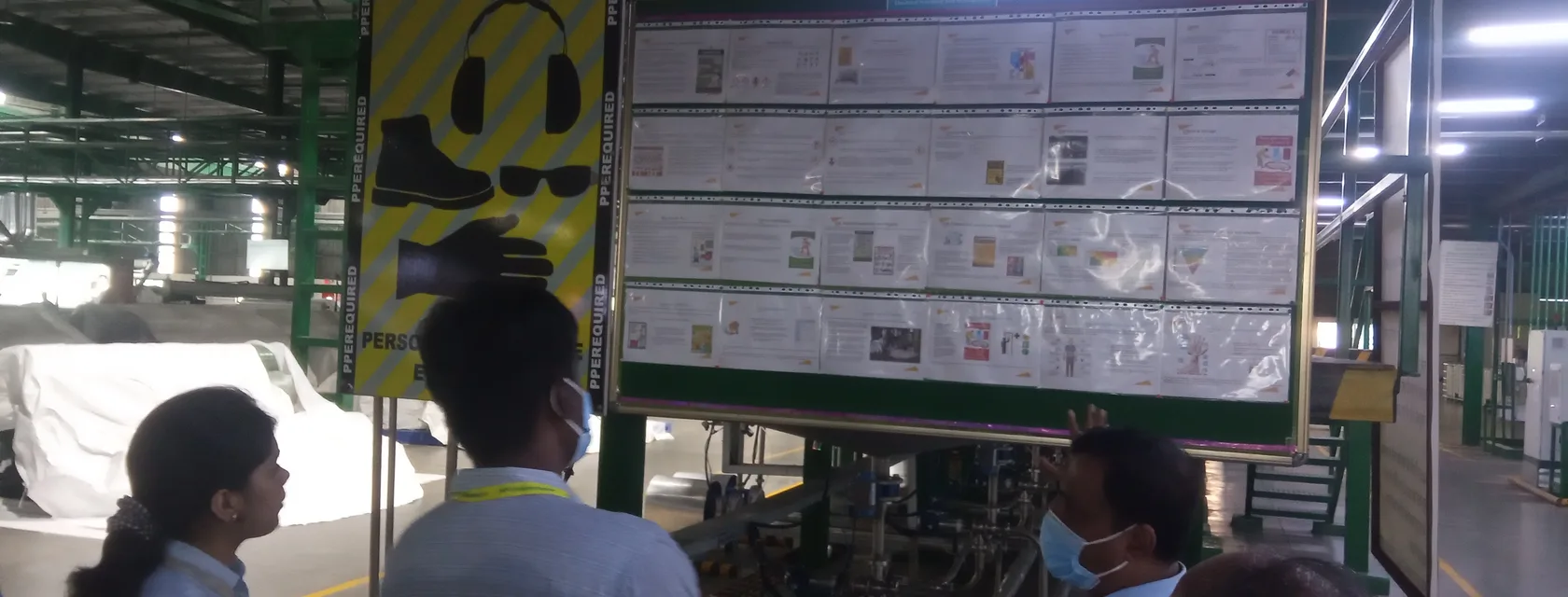
Validation takes time, by design. A question raised at one gate goes back to the supplier before the next gate runs. A specialist will decline to sign a figure that cannot be defended, which occasionally means a launch waits on a mill sending one document. That is a far easier conversation than the one that follows an unsupported claim in a marketplace listing.
The other parts of the method.
Where the number came from, what it arrived with, who signed for it, and what keeps it true afterwards. Each has a page of its own.